The State of VR, AR, and Virtual-World Gaming in 2026
For almost a decade, “the state of VR” has been a story about the next thing: the headset around the corner, the killer app that would arrive next Christmas, the metaverse that was always eighteen months away. In 2026, the tone has changed. The conversation is less about hype and more about hardware you can buy, libraries you can actually play, and virtual worlds that keep people coming back. It is not utopia, and plenty of the old skepticism still holds. But immersive gaming this year feels less like a pitch deck and more like a product category.
Here is where things actually stand.
The headset landscape finally has real choices
The single biggest shift in 2026 is that the headset market is no longer a one-horse race. For years, the honest recommendation for most players was “buy whatever Meta is selling.” That is no longer the only answer.
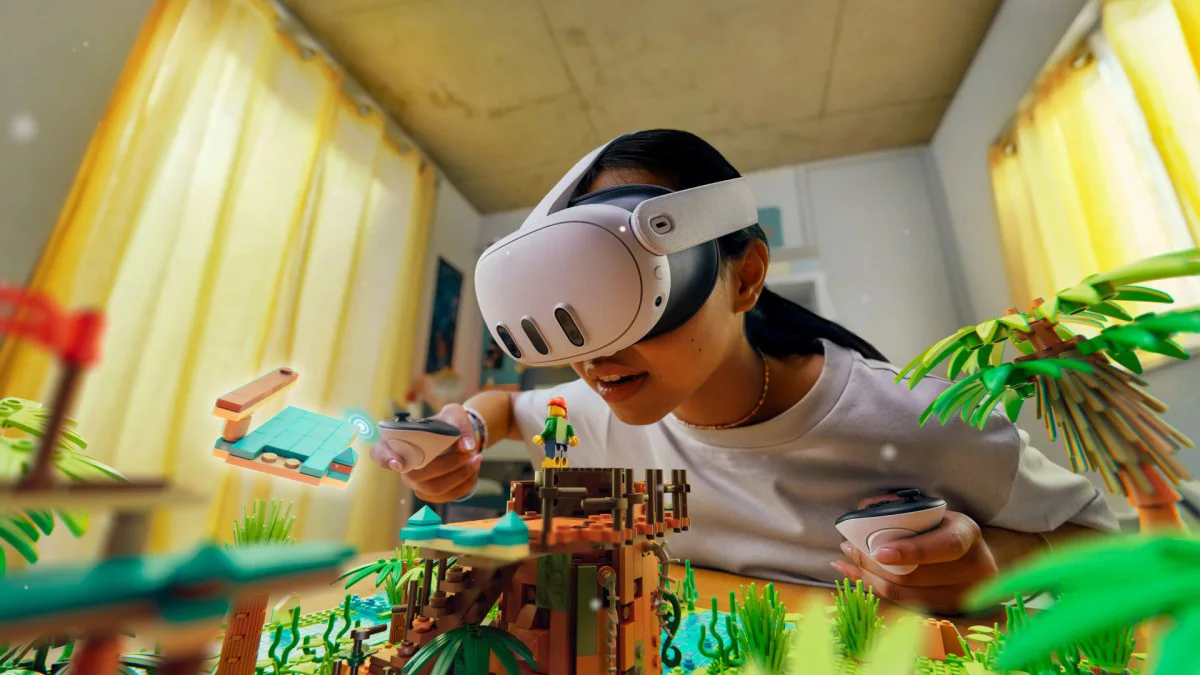
Meta still anchors the mainstream. The Quest 3 family remains Meta’s current mainstream mixed-reality line. Buyers should confirm the models, storage options, prices, and regional availability on Meta’s current product pages rather than relying on rumor roundups.
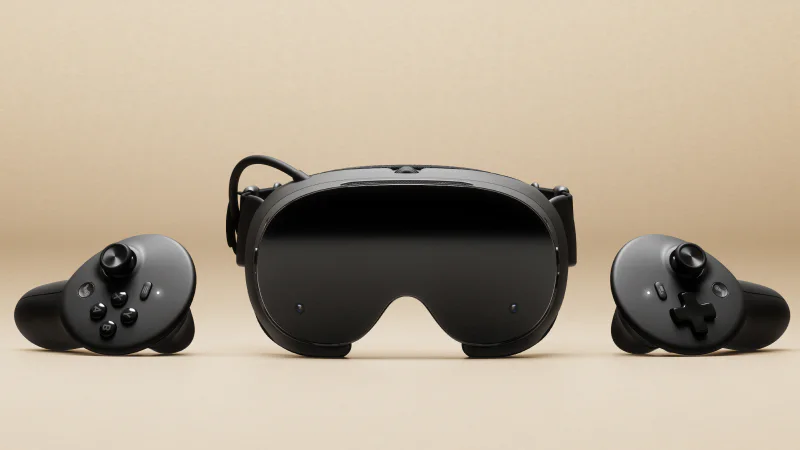
The louder news came from Valve. Valve officially revealed Steam Frame, a standalone headset designed primarily for low-latency streaming from a PC while also supporting standalone VR and non-VR experiences, according to Valve’s Steamworks documentation. That last part matters: it reframes a VR headset as a portable window into a PC catalog you may already own, rather than a walled garden you have to re-buy games for.
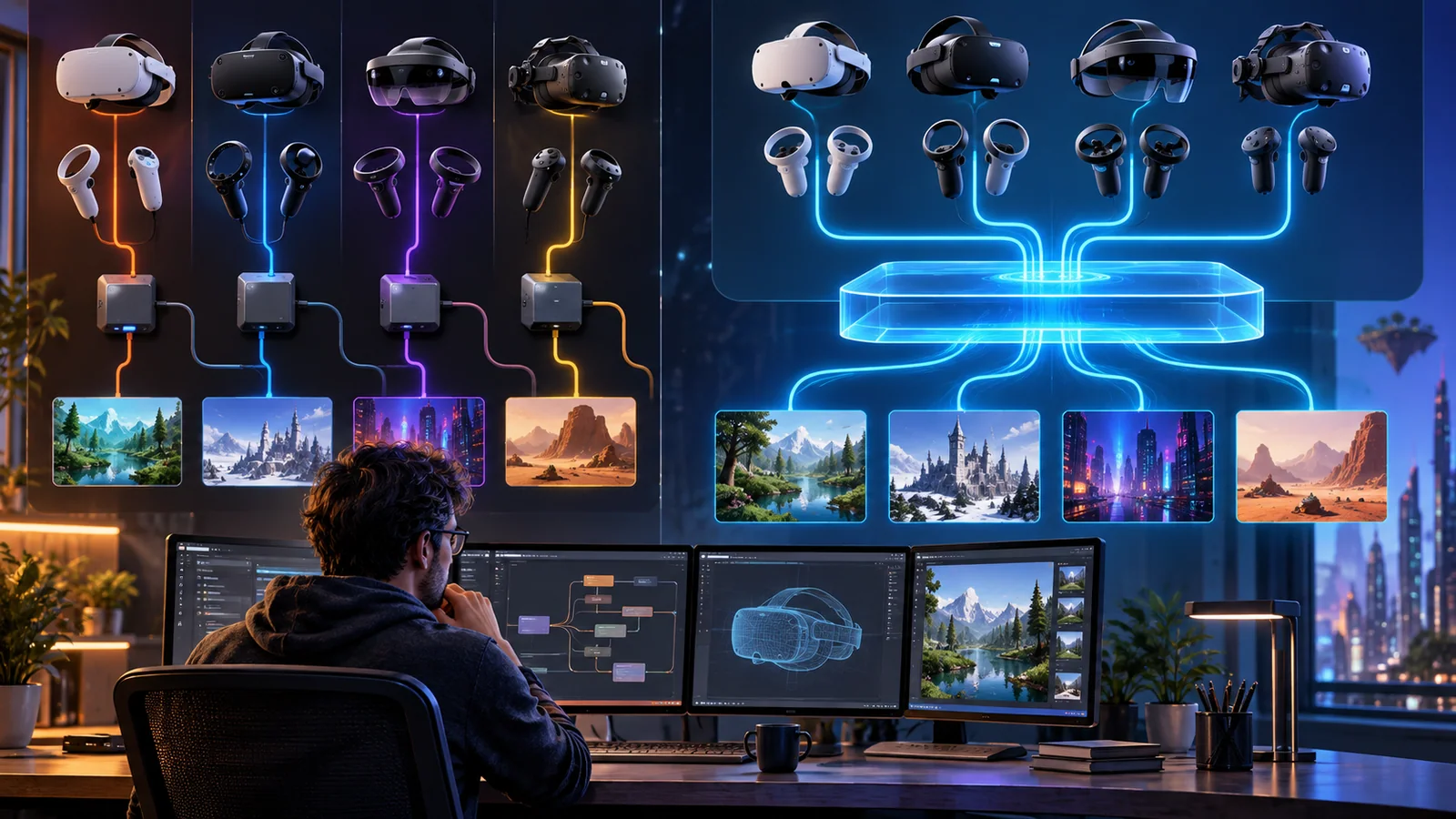
At the premium end, Samsung’s Galaxy XR brought Google’s Android XR platform to market as a credible high-end competitor, and Apple’s Vision Pro continues to define the luxury tier with a spatial-computing pitch aimed as much at productivity as at play. Sony’s PSVR 2 rounds things out for console owners who want a plug-and-play route into VR.
The takeaway is not that any one device won. It is that a shopper in 2026 has a real spectrum, from budget standalone to PC-tethered enthusiast to money-no-object spatial computer.
2026 headsets at a glance
| Headset | Platform | Type | Rough price tier | Best for |
|---|---|---|---|---|
| Meta Quest 3S | Meta Horizon OS | Standalone | Budget | First-time buyers, mainstream gaming |
| Meta Quest 3 | Meta Horizon OS | Standalone | Mid | All-around VR gaming |
| Valve Steam Frame | SteamOS / Steam streaming | Standalone + PC streaming | Mid to upper | PC players with big Steam libraries |
| Samsung Galaxy XR | Android XR | Standalone | High | Android XR early adopters |
| Sony PSVR 2 | PlayStation | Tethered (console) | Mid | PS5 owners |
| Apple Vision Pro | visionOS | Standalone | Premium | Spatial computing, prosumers |
Prices and exact availability shift through the year, so always confirm the current figure before buying. The point of the table is the shape of the market, not a frozen price sheet.
Virtual worlds grew up, quietly
The word “metaverse” took a beating in the early 2020s, and deservedly so. Empty plazas, clunky avatars, and speculative land sales made it an easy punchline. In 2026, the interesting virtual worlds are the ones that stopped trying to be everything.
Social VR platforms with genuine communities, creator-driven game hubs, and event spaces that host concerts and watch parties are where the actual daily activity lives. The pattern is telling: worlds succeed when they are built around a reason to be there, whether that is a game, a scene, or a shared event, rather than around the abstract promise of “presence.” The metaverse did not arrive as one seamless universe. It arrived as a scattering of specific places that happen to be good.
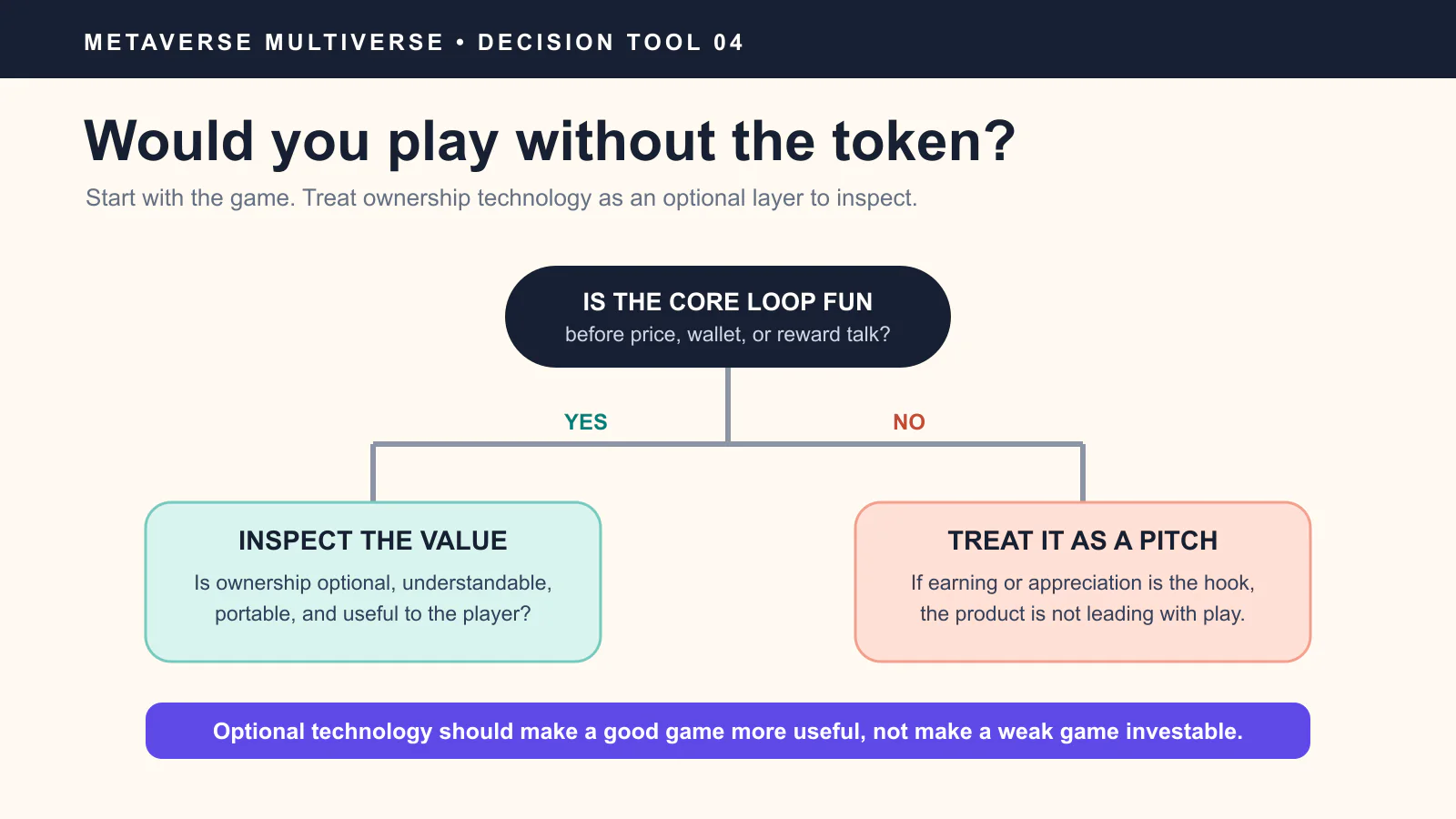
The more useful evidence is product- and community-specific: shipping hardware, supported applications, scheduled events, and repeat-use communities. Broad market forecasts use inconsistent definitions of VR, AR, and “metaverse,” so this guide does not treat one headline market-size number as proof of adoption.
AR: less spectacle, more utility
Augmented reality in 2026 is quieter than VR, and that is arguably a sign of health. The most useful AR is not a face-computer that replaces your phone; it is lightweight overlays, location-based play, and passthrough mixed-reality modes on the same headsets people already use for VR. Passthrough gaming, where digital objects share your real living room, has become one of the genuine everyday use cases, especially for fitness, tabletop-style games, and casual experiences that do not demand full immersion. The glasses-that-replace-everything dream is still a dream. The practical AR is already on shelves.
What is actually working in immersive gaming
- Standalone convenience: no PC, no wires, headset on and playing in under a minute.
- Library portability: streaming your existing PC catalog instead of re-buying everything.
- Passthrough mixed reality: games that use your real room as the board.
- Social hooks: worlds and games with real communities and scheduled events.
- Fitness and rhythm: the sticky, repeat-use genres that keep headsets off the shelf.
One to watch: survival and extraction gameplay is a natural fit for immersion, and independent studios are circling it. BudLeiser’s upcoming mech survival title MECH Stranded is the kind of project worth keeping an eye on as the “future of survival games” conversation drifts toward VR and immersive design. You can follow the developers at BudLeiser for updates.
The honest caveats
None of this means VR has “won.” Adoption is still a fraction of flat-screen gaming. Comfort, headset weight, and battery life remain real friction. The best experiences still skew toward enthusiasts willing to tinker. And “the metaverse” as a single unified space is not here and may never be. The correct 2026 framing is modest confidence: the hardware is good enough, the software catalog is deep enough, and the worlds are alive enough that immersive gaming is a legitimate hobby rather than a perpetual promise.
FAQ
Is 2026 a good year to buy your first VR headset? Yes, for most people. A budget standalone like the Quest 3S lowers the barrier, and the wider field means you can match a headset to how you actually play. Confirm current pricing before you buy.
Do I need a gaming PC for VR in 2026? No. Standalone headsets run games on their own hardware. A PC unlocks higher-end experiences, and options like the Steam Frame are specifically built to stream a PC library wirelessly if you have one.
Is the metaverse dead? The single-universe hype is gone, but specific virtual worlds with real communities and events are healthier than ever. Think of it as many good places rather than one grand world.
What about AR glasses? True all-day AR glasses are not a mainstream product yet. The AR that works today is passthrough mixed reality on VR headsets and location-based mobile play.
The bottom line
VR and AR in 2026 are defined by a boring but welcome word: choice. Real headsets across real price tiers, portable libraries, passthrough mixed reality, and virtual worlds that finally give people a reason to show up. The revolution did not happen all at once. It shipped, piece by piece, and this is the year it started to feel normal.
Primary product sources
- Valve Steam Frame product page
- Valve Steam Frame developer documentation
- Meta Quest 3 official announcement
- Samsung Galaxy XR official product page
- Apple Vision Pro official product page
Product details, prices, and availability can change. Confirm them with the manufacturer before buying.
vrarmetaversevr-headsetsvirtual-worlds2026